Gas Struts
Explore our selection of heavy duty gas struts, engineered specifically for use on commercial vehicles. Our range includes gas struts along with compatible fittings, brackets and hinges. These components deliver dependable performance, controlled motion, and robust support in demanding vehicle applications.
-
Adjustable Gas Struts
- £11.33£13.60 – £26.89£32.27Price range: £11.33£13.60 through £26.89£32.27 Ex VATInc VAT
- Select options This product has multiple variants. The options may be chosen on the product page
-
Gas Stay Fittings – Ball for 6-15 Struts
- Part No. 6-15PB
- £1.00£1.20 Ex VATInc VAT
- Add to basket
-
Gas Stay Fittings – Eye for 6-15 Struts
- Part No. 6-15PE
- £1.00£1.20 Ex VATInc VAT
- Add to basket
-
Gas Stay Fittings – Ball for 10-23 Struts
- Part No. 10-23SB
- £1.00£1.20 Ex VATInc VAT
- Add to basket
-
Gas Stay Fittings – Ball for 8-18 Struts
- Part No. 8-18SB
- £1.00£1.20 Ex VATInc VAT
- Add to basket
-
Gas Stay Fittings – Eye for 10-23 Struts
- Part No. 10-23ZE
- £1.00£1.20 Ex VATInc VAT
- Add to basket
-
Gas Stay Fittings – Eye for 8-18 Struts
- Part No. 8-18ZE
- £1.00£1.20 Ex VATInc VAT
- Add to basket
-
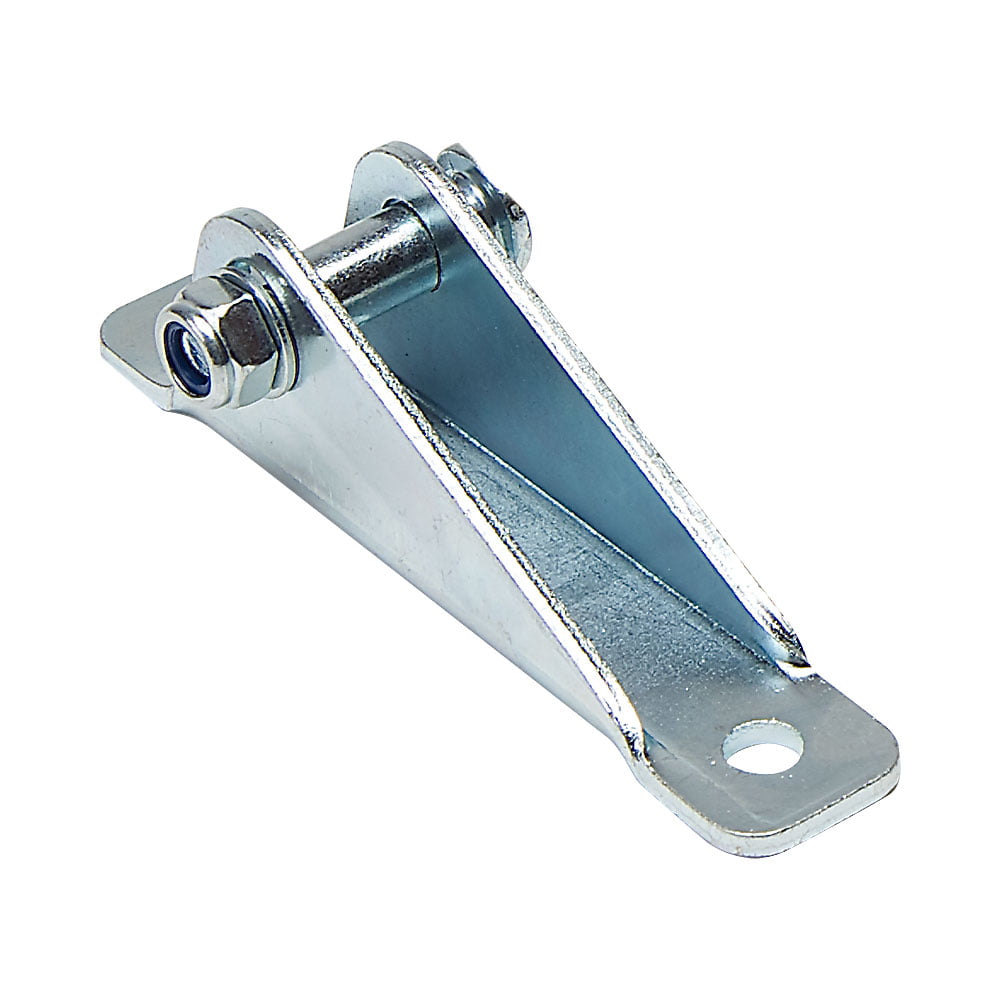
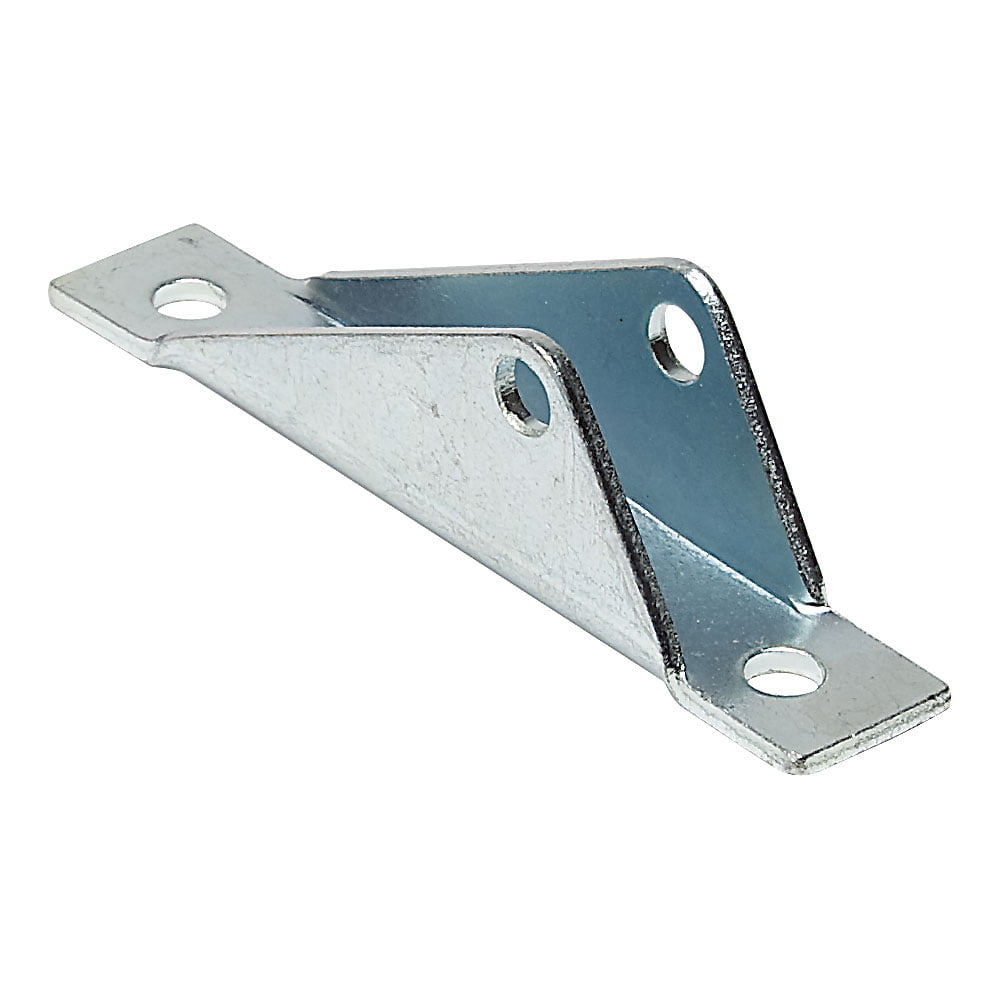
Bracket – 8 – 18 Eye
- Part No. GSBE2
- £6.60£7.92 Ex VATInc VAT
- Add to basket
-
- Out of Stock
Bracket – 6 – 15 Eye
- Part No. GSBE1
- £4.10£4.92 Ex VATInc VAT
- Read more
-
-
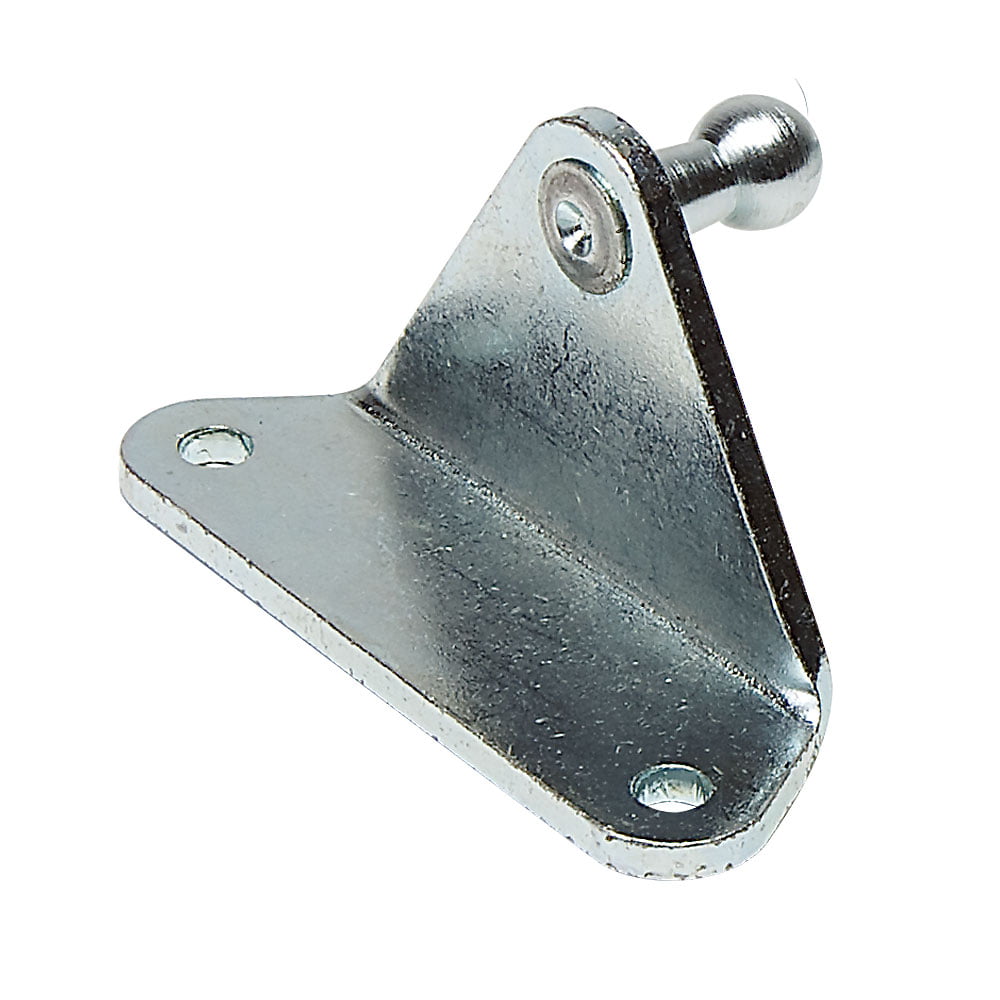
Bracket – 10 – 23 Ball
- Part No. GSBB3
- £2.79£3.35 Ex VATInc VAT
- Add to basket
FREQUENTLY ASKED QUESTIONS
-
A gas strut is a self-contained pneumatic spring. It consists of a sealed cylinder filled with compressed nitrogen gas and, in most designs, a small quantity of oil. A piston rod runs through the cylinder and connects to one end fitting, while the cylinder body connects to the other.
When a load is applied, the rod compresses into the cylinder, increasing internal pressure. When the load is released, that pressure pushes the rod back out, generating the controlled lifting or supporting force. The oil inside the unit lubricates the piston seal and helps dampen movement, producing the smooth, controlled motion that makes gas struts more predictable than conventional mechanical springs.
In commercial vehicle applications, gas struts are typically installed with the rod end pointing downward. This keeps the oil pooled at the sealed end, away from the rod seal, which extends service life and maintains consistent force output.
-
Selecting the right gas strut requires three measurements and one force calculation.
Step 1 — Measure extended length
The extended length is the total length of the strut from end fitting centre to end fitting centre when fully extended. Measure the maximum distance available between your two mounting points when the panel or door is fully open.
Step 2 — Measure stroke
Stroke is the distance the rod travels between fully extended and fully compressed. Calculate it by measuring the distance between mounting points when the panel is closed, then subtracting that figure from the extended length.
Step 3 — Identify the rod/tube diameter (strut size)
Stedall’s range is available in three sizes, referenced by rod diameter followed by tube diameter:
Strut Size Tube diameter Rod diameter Typical application 6-15 15 mm 6 mm Lighter panels and lids 8-18 18 mm 8 mm Mid-weight access doors 10-23 23 mm 10 mm Heavier commercial panels Step 4 — Calculate the required force
Divide the weight of the door or panel in Newtons by the number of struts you intend to fit. Note that mounting position and operating angle will affect the actual force required. If your application has awkward geometry or the panel weight is difficult to measure accurately, Stedall’s adjustable gas struts are the practical solution – they ship at maximum force and can be bled down on site until the correct support is achieved.
-
Ball fittings clip onto a ball stud fixed to the vehicle bodywork. They allow angular movement in multiple planes and are quick to fit and remove. Ball fittings are available for all three strut sizes.
Eye fittings bolt directly to a fixed pin or bracket. They provide a more secure, positive connection and are preferred in higher-vibration environments or where the strut may experience lateral loading. Eye fittings are available for all three strut sizes.
Dedicated mounting brackets for eye fittings are available within the range for the smaller two strut sizes. If you require a bracket for the largest strut size, contact Stedall directly on 01454 319524 or at sales@stedall.co.uk to confirm availability.
-
Yes, if you have selected an adjustable gas strut. Stedall’s adjustable units ship pressurised to their maximum rated force. Force can be reduced on site by releasing small amounts of nitrogen through the side-mounted bleed valve.
To adjust:
- Mount the strut with the rod end pointing downward and the valve at the top.
- Insert an allen key into the grub screw on the valve. Turn slightly until you hear gas escaping, then immediately re-tighten.
- Test the panel or door. Repeat in small increments until the correct force is achieved.
- If fitting two struts, adjust each one alternately rather than fully adjusting one before the other.
Important: Do not remove the grub screw entirely. Gas cannot be added back once released, so always work in small increments. Contact Stedall on 01454 319524 or at sales@stedall.co.uk if you are unsure of the correct allen key size for your strut before adjusting.
If you already know the exact force required, Stedall can supply made-to-order fixed-pressure struts.
-
If the panel weight is difficult to measure or the mounting geometry makes accurate force calculation impractical, opt for Stedall’s adjustable gas struts. These can be bled down from maximum force to the correct support level on site, removing the risk of ordering a strut that is too weak to hold the panel open. Contact Stedall on 01454 319524 or at sales@stedall.co.uk for guidance before ordering.